
As California grapples with a significant housing crisis, innovative solutions are emerging to address the increasing demand for affordable living options. One such solution is the Junior Accessory Dwelling Unit (JADU). This type of housing provides homeowners with a way to maximize their property while offering flexible living spaces.
JADUs in California
A Junior Accessory Dwelling Unit (JADU) is a smaller, self-contained living unit that is created within an existing single-family home. It typically includes a separate entrance, a kitchen, and a bathroom, making it a fully functional dwelling. However, unlike traditional accessory dwelling units (ADUs), a JADU must be no more than 500 square feet and can only be constructed within the walls of the existing home.
JADUs are intended to provide additional living space for various uses, such as accommodating family members, renting to tenants, or serving as a home office. They are especially attractive for homeowners looking to create a separate living area without the need for extensive construction.
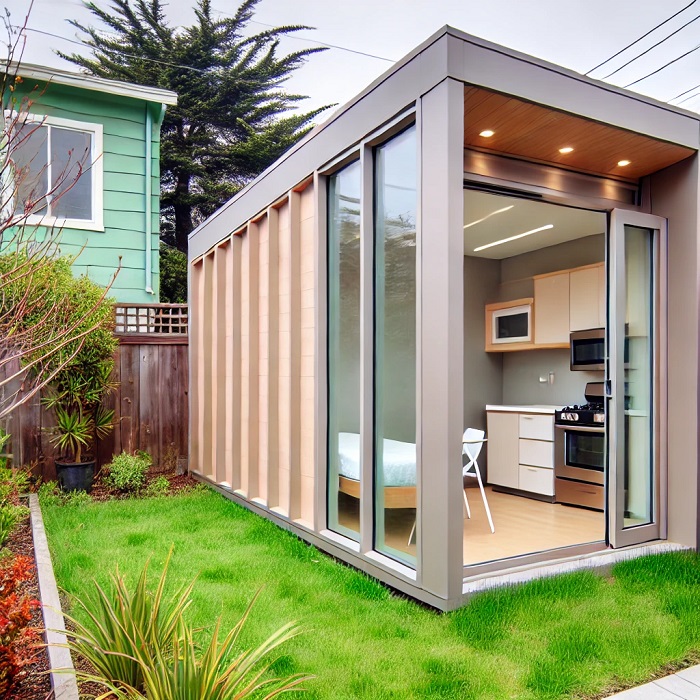
JADU designs can vary depending on the available space within the existing home and the specific needs of the homeowner. Many JADU house builders offer custom plans to seamlessly integrate the unit into the primary residence while maintaining the overall aesthetic and functionality of the home.
JADUs are particularly attractive because they provide affordable housing options without requiring significant external construction, helping to preserve the neighborhood's character. They are also a smart investment, enhancing property value while offering flexible living spaces.
Benefits of Junior Accessory Dwelling Units
1. Affordable Housing Solutions
JADUs provide an effective way to increase the supply of affordable housing in California. With rising rents and home prices, many families struggle to find suitable and affordable living options. By allowing homeowners to convert part of their existing homes into JADUs, California can quickly add more affordable housing units without significant new construction.
2. Flexible Living Arrangements
JADUs offer flexible living arrangements, allowing homeowners to accommodate relatives, such as aging parents or adult children, while maintaining some level of independence. This arrangement promotes multi-generational living, which is becoming increasingly popular in California.
3. Economic Benefits
For homeowners, having a JADU can generate additional income through rental opportunities. This can help offset mortgage payments or provide financial support in retirement. Furthermore, JADUs can increase the overall property value, making them a smart investment.
4. Sustainability and Efficient Land Use
JADUs promote sustainable living by making better use of existing residential properties. By converting underutilized spaces within homes, JADUs contribute to reducing urban sprawl and the associated environmental impacts. This efficient use of land aligns with California's goals for sustainable development and resource conservation.
ADU VS JADU
Accessory Dwelling Unit (ADU)
- Allowed in residential, mixed-use, or agricultural zones with a primary dwelling.
- Can be either attached or detached from the main home.
- Permitted in most residential zoning districts, unless the property has an exclusion zoning overlay.
- ADUs can be rented for long-term occupancy but cannot be used as short-term rentals.
Junior Accessory Dwelling Unit (JADU)
- Created within the existing space of a single-family home.
- Limited to 500 square feet in size.
- Requires a small kitchen and an exterior door; may share a bathroom with the main dwelling.
- Allowed in any zoning district that permits a single-family dwelling.
- Can be rented for long-term occupancy but cannot be used for short-term rentals.
The Role of JADUs in California's Housing Crisis
California's housing crisis is characterized by a shortage of affordable homes and rising costs. JADUs provide a creative solution to these challenges by allowing homeowners to contribute to the housing supply without significant investment in new construction.
Moreover, the state's support for JADUs reflects a broader shift in housing policy toward increased flexibility and diversity in housing options. As more municipalities adopt supportive regulations for JADUs, homeowners can feel empowered to explore these options and contribute to their communities.
Regulatory Framework
California has enacted several laws and regulations to facilitate the construction of JADUs. The state aims to streamline the process and remove barriers for homeowners who wish to create these units. Key aspects of the regulatory framework include:
1. Size Limitations: As mentioned earlier, JADUs are limited to 500 square feet. This size restriction ensures that the units remain compact and integrated into the existing structure of the home.
2. Conversion of Existing Space: A JADU must be created within the walls of an existing single-family home. This means that homeowners can convert a bedroom, a portion of the garage, or another suitable space into a JADU without needing to build an entirely new structure.
3. Separate Entrance: JADUs must have a separate entrance from the primary dwelling. This requirement helps maintain privacy for both the occupants of the JADU and the main home.
4. No Parking Requirements: In most cases, local jurisdictions cannot impose additional parking requirements for JADUs, particularly if they are located within half a mile of public transit. This regulation acknowledges the trend of reduced car ownership among younger generations and promotes the use of public transportation.
Design Considerations for JADUs
When designing a JADU, several factors should be considered to maximize functionality and comfort:
1. Space Optimization Given the size limitations of JADUs, efficient use of space is crucial. Homeowners should consider open floor plans that combine living, dining, and sleeping areas. Built-in furniture, such as fold-out beds or wall-mounted desks, can help save space while maintaining functionality.
2. Natural Light and Ventilation Proper lighting and ventilation are essential for creating a comfortable living environment. Homeowners can incorporate large windows or skylights to enhance natural light and improve airflow. This not only creates a more pleasant atmosphere but also reduces the need for artificial lighting during the day.
3. Kitchen and Bathroom Design JADUs must include a kitchen and bathroom, so homeowners should carefully plan these areas to ensure they meet basic living needs. Compact kitchen designs with essential appliances, such as a refrigerator, stove, and sink, can create a functional cooking space. Similarly, bathrooms should be designed to maximize functionality while making efficient use of space.
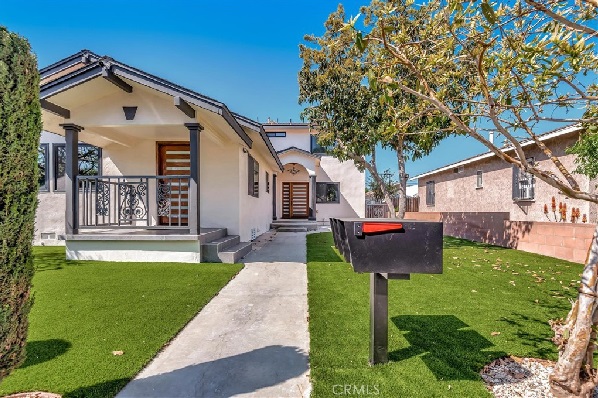
4. Aesthetic Considerations While JADUs are often functional, they can also be aesthetically pleasing. Homeowners should consider the architectural style of their existing home and design the JADU to blend seamlessly with the overall appearance. Using similar materials, colors, and finishes can help create a cohesive look.
As the demand for affordable housing continues to grow, the potential for JADUs to offer viable solutions becomes increasingly clear. By understanding the benefits, regulatory framework, and design considerations associated with JADUs, homeowners can make informed decisions that benefit themselves and their communities.
In a time when innovative housing solutions are essential, JADUs stand out as a practical option for addressing California's pressing housing needs while enhancing the value of existing properties.