
California's housing crisis has led to significant changes in housing policies, particularly through the expansion of Accessory Dwelling Units (ADUs). The California Department of Housing and Community Development (HCD) plays a central role in implementing and enforcing these policies. ADUs, also known as secondary units, in-law units, or granny flats, offer a promising solution for increasing affordable housing options in the state. HCD's regulations streamline the process for building ADUs, making it easier for homeowners to contribute to the state's housing supply while maximizing the utility of their property.
HCD's Role in ADU Development
The HCD is responsible for overseeing California's housing policies, including ADU development, to ensure compliance with state law. In 2017, California passed a series of laws to encourage the construction of ADUs, which were further expanded in 2020 to simplify the building and permitting processes. The HCD provides guidance to local governments on how to apply these laws, ensuring that ADU projects are feasible for homeowners and aligned with broader state goals for increasing affordable housing.
The HCD is also responsible for monitoring local jurisdictions to ensure that they comply with state ADU laws. If a local government has ordinances that conflict with state ADU laws, the HCD can intervene to ensure that the ordinances are amended. This oversight is critical to ensure that local restrictions do not hinder ADU construction.
For example, under California's ADU laws, local governments are required to approve ADU applications within 60 days, and they cannot enforce parking requirements if the property is located near public transit. Additionally, HCD has ensured that cities and counties cannot impose minimum lot size requirements for ADUs, making it easier for more homeowners to take advantage of this housing option.
Financial Assistance and Incentive
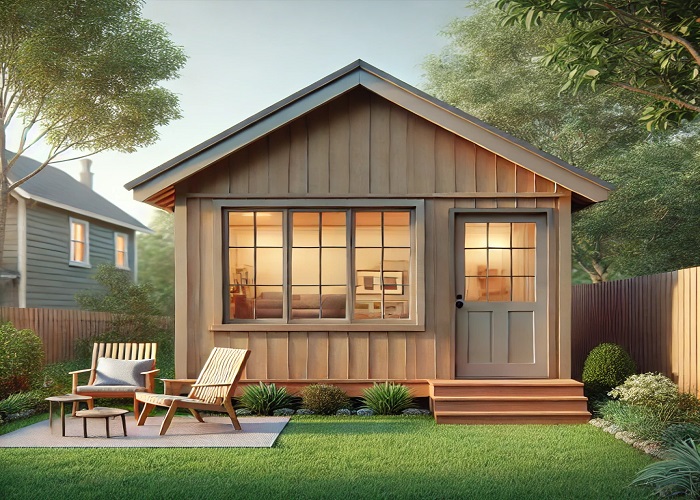
To further promote ADU development, HCD has introduced several financial assistance programs designed to help homeowners cover the cost of building these units. One such initiative is the California Housing Finance Agency's (CalHFA) ADU Grant Program, which provides homeowners with grants of up to $40,000 to offset predevelopment costs, including site preparation, design, and permitting fees.
In addition to grant programs, HCD also supports financing options that make ADU construction more accessible. Various state and local agencies have partnered with banks and credit unions to offer low-interest loans specifically for ADU projects. These loans are designed to reduce the financial burden on homeowners and ensure that more people can afford to build ADUs on their properties.
Moreover, HCD has worked with local jurisdictions to offer tax incentives for ADU construction. In some areas, homeowners who build an ADU may qualify for property tax relief or other financial incentives, further reducing the cost of development.
Addressing California's Housing Shortage
- California's housing crisis is well-documented, with a severe shortage of affordable housing in both urban and rural areas.
- The state has one of the highest homelessness rates in the country, and many families are forced to spend more than 50% of their income on rent.
- The HCD's focus on ADUs is part of a larger strategy to alleviate this housing crisis by increasing the state's overall housing supply.
- By promoting ADU construction, HCD is helping to create affordable housing units without the need for new land acquisition or large-scale residential developments.
- ADUs are particularly beneficial in dense urban areas where there is little room for new housing construction.
- In cities like Los Angeles and San Francisco, where housing demand far exceeds supply, ADUs offer a practical solution for increasing the number of available units without further straining the city's infrastructure.
Environmental Benefits of ADUs
In addition to addressing housing shortages, ADUs offer several environmental benefits. Since ADUs are typically smaller than traditional homes, they consume less energy and water, making them a more sustainable housing option. Many ADUs are also built using green construction techniques, including energy-efficient appliances, solar panels, and sustainable building materials, further reducing their environmental impact.
By encouraging homeowners to build ADUs on their properties, HCD is also helping to reduce the need for new suburban developments, which often contribute to deforestation, habitat destruction, and increased carbon emissions. ADUs allow for the densification of existing urban areas, minimizing the environmental footprint of new housing construction.
Challenges and Criticisms
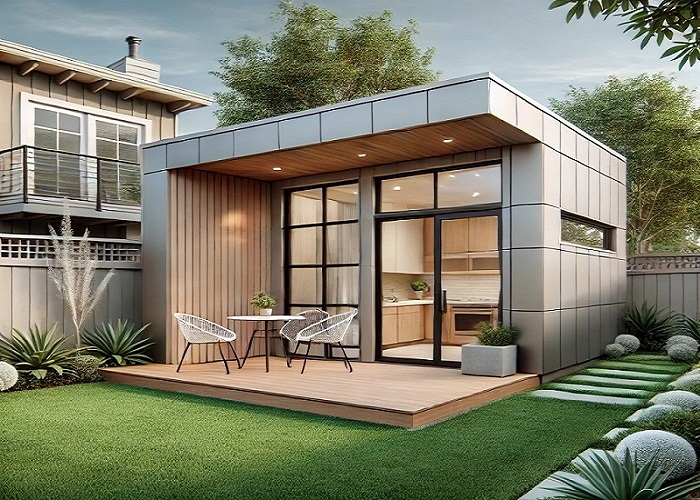
While ADUs offer a promising solution to California's housing crisis, there are still several challenges and criticisms associated with their development. One major concern is that not all homeowners can afford to build an ADU, even with financial assistance. The cost of construction can vary widely depending on location, materials, and design, and some homeowners may find it difficult to secure financing.
Additionally, some critics argue that ADUs could lead to increased gentrification in certain neighborhoods. By creating more rental units, particularly in desirable urban areas, ADUs could drive up property values and rental prices, ultimately displacing low-income residents.
Another challenge is ensuring that ADUs are built in compliance with local building codes and safety regulations. While HCD has worked to streamline the approval process, there is still a need for strict oversight to ensure that ADUs are safe and meet all necessary standards.
The Future of ADUs in California
Despite these challenges, the future of ADUs in California looks promising. The HCD continues to refine its policies and expand its financial assistance programs to make ADU construction more accessible to homeowners across the state. As more people become aware of the benefits of ADUs, it is likely that their popularity will continue to grow, providing a crucial source of affordable housing for Californians in need.
In the coming years, it is expected that HCD will continue to play a central role in promoting ADU development as part of its broader mission to address the state's housing crisis. By working with local governments, homeowners, and developers, HCD is helping to create a more sustainable, affordable, and inclusive housing market in California. ADUs, with their potential to provide affordable housing, generate income for homeowners, and promote environmental sustainability, will undoubtedly remain a key element of the state's housing strategy for years to come.