
An accessory dwelling unit, commonly referred to as an ADU, is a secondary housing unit located on a single-family residential lot. While the term "accessory dwelling unit" may seem formal, it is widely recognized across the country as the standard terminology for this type of housing. Due to its lengthy name, the abbreviation "ADU" is often used for convenience. As interest in ADU homes for sale continues to grow, particularly in markets like ADU housing in California, many homeowners are exploring options for ADU housing in Los Angeles as a viable investment.
ADUs are characterized by being a type of housing unit rather than a specific structural design. When encountering a new concept like an ADU, it's natural to seek a clear visual representation of what that concept entails. However, ADUs can vary significantly in their design and physical appearance, from compact ADU small houses to more spacious units. To better understand and conceptualize ADUs, especially when considering a house with an ADU for sale in Los Angeles, it's essential to explore the various common types and broaden our mental framework regarding their diverse forms and functionalities.
What Are the Different Types of ADUs?
Accessory Dwelling Units (ADUs) are available in several configurations, including detached new builds, garage conversions, bump-outs, basement conversions, and more. The following images illustrate the most prevalent structural types of ADUs, along with some alternative terms you may encounter when discussing them.
1. Detached new construction ADUs, often referred to as backyard cottages, granny flats, laneway houses, or DADUs, vary based on local regulations and terminology. These units are built on the property of a single-family home, typically situated in the back or side yard. Their design can complement the main residence while providing an independent living space. As a versatile housing solution, detached ADUs offer homeowners the opportunity to generate rental income or accommodate family members while maintaining privacy for both parties.

2. Garage conversion ADUs, offer a creative solution to maximize space by transforming an existing garage into a functional living area. This type of conversion allows homeowners to make use of underutilized space while providing a separate, self-contained dwelling. Not only does it enhance the property's value, but it also provides an affordable housing option without the need for new construction. With thoughtful design, a garage conversion can seamlessly blend into the home's aesthetics, making it an attractive choice for homeowners looking to expand their living space.

3. ADUs situated above a garage or workshop, often referred to as garage apartments or carriage houses, provide an innovative way to utilize vertical space. These units not only maximize property usage but also offer the benefit of separation while remaining close to the main dwelling. Ideal for hosting guests or renting out for additional income, they can be designed with private entrances and outdoor areas to ensure a sense of independence. Additionally, this configuration can enhance the overall curb appeal of the property, making it an attractive option for homeowners seeking versatile living arrangements.
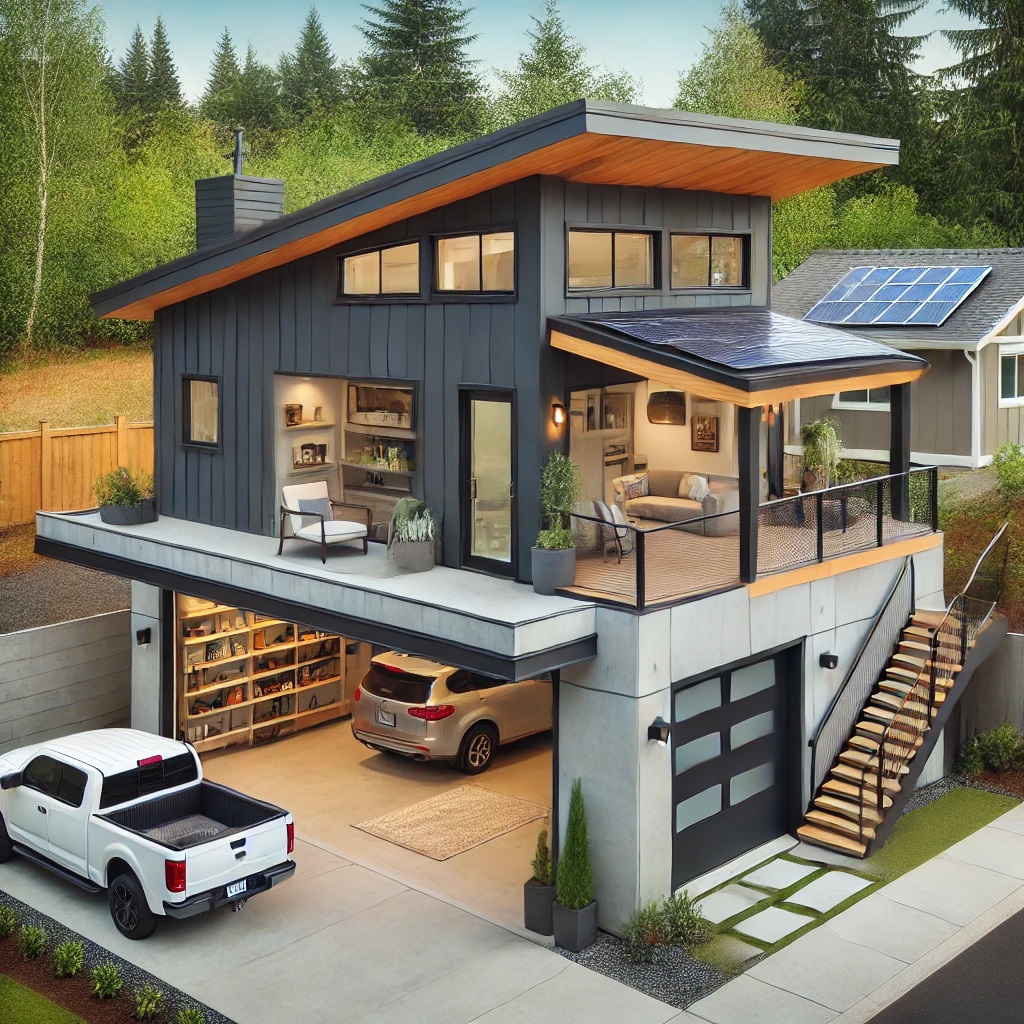
4. Addition ADUs, commonly known as "bump-out ADUs," are integrated directly onto existing houses, leveraging shared walls for increased efficiency. This design not only simplifies access to utilities but also maximizes the use of available space without requiring significant land expansion. Such units can seamlessly blend with the original structure, providing homeowners with an aesthetically pleasing solution that enhances their living space. Furthermore, these ADUs can be customized to match the home's architectural style, making them an attractive and functional addition for families looking to accommodate guests or create rental opportunities.
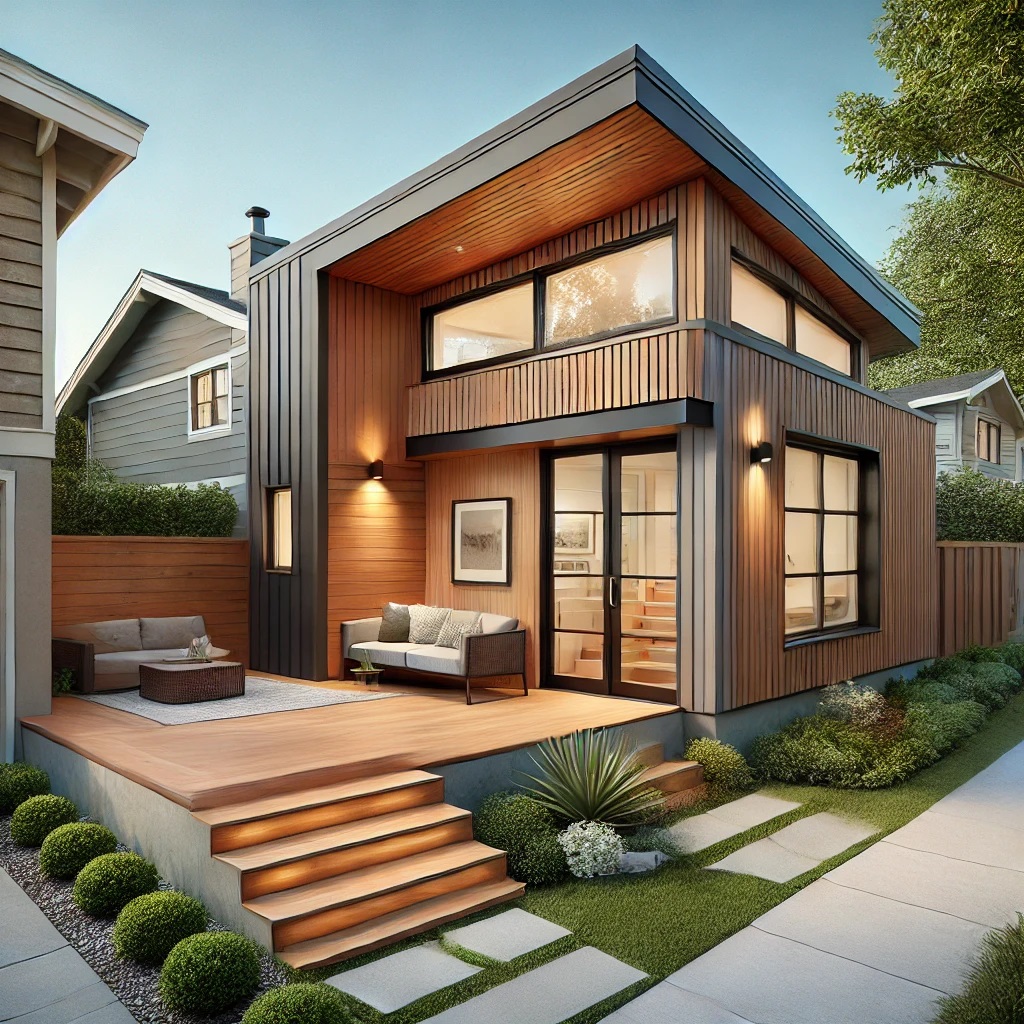
5. Basement conversion ADUs, often referred to as basement apartments, mother-in-law units, in-law suites, secondary suites, English basements, or accessory apartments, provide a flexible living solution beneath a home. These units make effective use of otherwise underutilized space, creating separate living quarters that can accommodate family members, guests, or tenants. With proper renovations, basement ADUs can be transformed into bright, inviting spaces that offer all the comforts of home, including kitchens and bathrooms. Additionally, they often include unique features like large windows or walkout access, enhancing both functionality and appeal while potentially increasing the property's overall value.
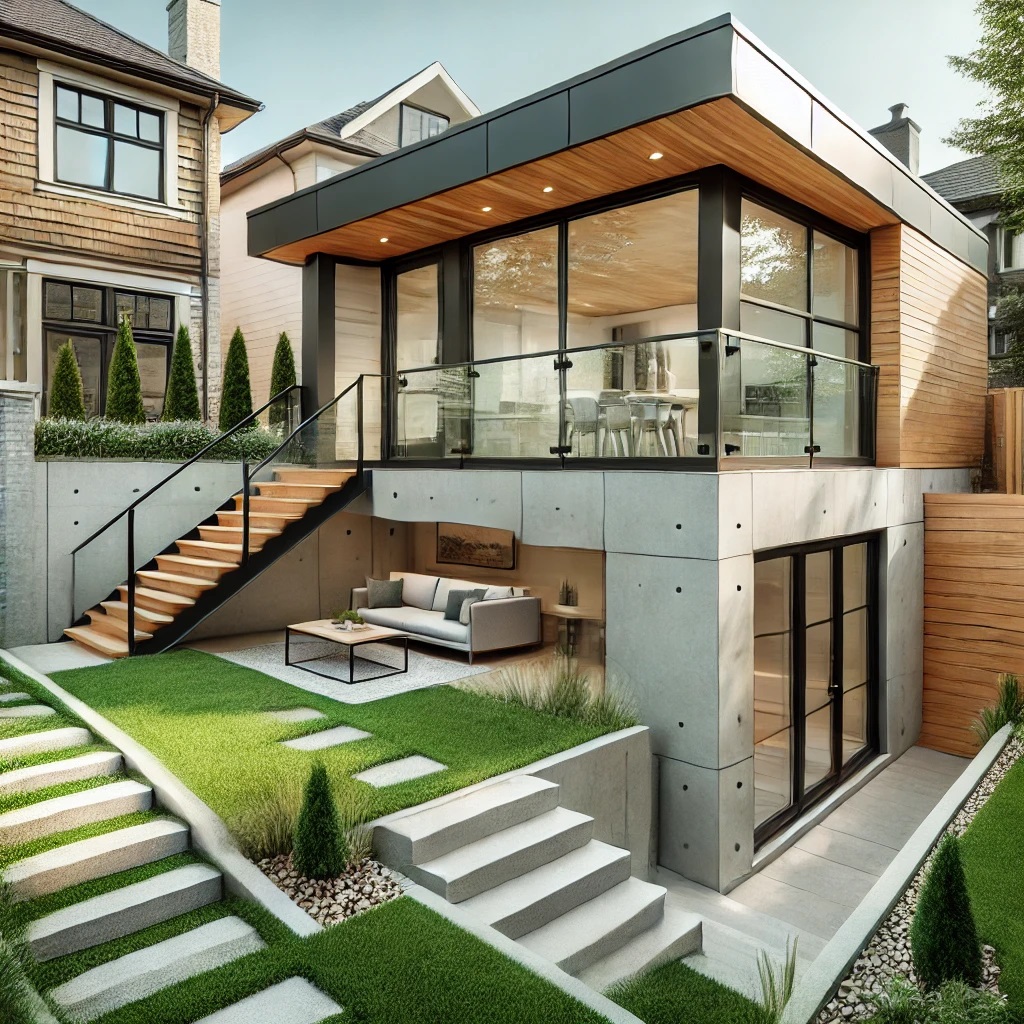
6. Internal ADUs involve converting a portion of the primary residence, excluding the basement, into a separate living unit. These units are designed to maximize existing space within the home, often transforming spare rooms, attics, or lofts into fully functional living areas. Internal ADUs can be an excellent solution for homeowners seeking to accommodate family members or create rental opportunities without expanding their property footprint. Additionally, they maintain a sense of connection to the main dwelling while providing the privacy and independence that occupants desire. This flexibility can enhance the overall usability of the home and increase its market appeal.

Common Characteristics of ADUs
Although accessory dwelling units (ADUs) come in various structural forms, they share several key traits and face similar design and development challenges. Their classification as secondary housing units situated on single-family residential lots places them in a unique category within the housing landscape. Beyond this, ADUs possess distinct characteristics that further define and differentiate them from other types of housing, including adu housing in California and adu housing in Los Angeles.
1. Proximity to Primary Units: ADUs are always accessory to a primary dwelling, located adjacent to it on the same property. This is particularly relevant for those looking at a house with an ADU for sale in Los Angeles.
2. Size: Typically, ADUs are considerably smaller than the average home in the U.S., allowing for efficient use of space.
3. Ownership Structure: They usually represent one of two units owned by a single owner on a residential lot.
4. Development Process: ADUs are often constructed separately from the main house, with homeowners acting as the developers.
5. Regulatory Variability: A wide range of municipal land use and zoning regulations influence the types and styles of ADUs, impacting their permissible uses.
6. Informal Existence: There are many more informal ADUs than those that have been officially permitted, reflecting a significant but often unregulated housing option.
These characteristics underscore the unique nature of ADUs as a housing solution, especially in areas like Los Angeles. Despite their growing popularity, there has historically been a lack of clarity surrounding the terminology and best practices for ADU development.
This website aims to address that gap by providing comprehensive information about ADUs and guiding average homeowners through the development process, including insights into adu housing in California and how to navigate local regulations.
As cities and suburbs continue to face housing shortages, the popularity of adu homes California is rising, reflecting a growing trend towards creating inclusive living environments. The market for adu homes for sale has expanded, providing prospective buyers with various options to suit different budgets and spatial requirements. Designed thoughtfully with considerations for size, accessibility, sustainability, outdoor space, and privacy, ADUs significantly enhance livability and contribute to community development. ADUUSA role in providing affordable, flexible housing solutions is vital as we navigate modern housing challenges, making ADUs a key component in addressing the demand for sustainable living options.