
Accessory Dwelling Units (ADUs), often referred to as backyard cottages, in-law suites, or granny flats, are small, independent housing units located on the same property as a single-family home. ADUs can be detached structures, attached to the primary residence, or conversions of existing spaces like garages, basements, or attics. For those interested, ADU house builders offer a range of services to help bring these projects to life, while ADU house designs and ADU house plans allow homeowners to customize their unit to meet specific needs.
The Appeal of ADUs
One of the most attractive aspects of ADUs is their versatility. Homeowners can use them to house aging parents, adult children, or as rental units to generate income. For many, ADUs provide a solution to rising housing costs by offering a more affordable alternative to renting or buying a full-size home. This affordability makes ADUs particularly attractive in areas like California, where housing prices have skyrocketed. In fact, ADU housing in California has become a key solution for many cities facing a housing crisis, offering a cost-effective alternative for those seeking smaller homes without compromising on independence or comfort. With a variety of ADU house designs available, these units can cater to a wide range of preferences and needs.
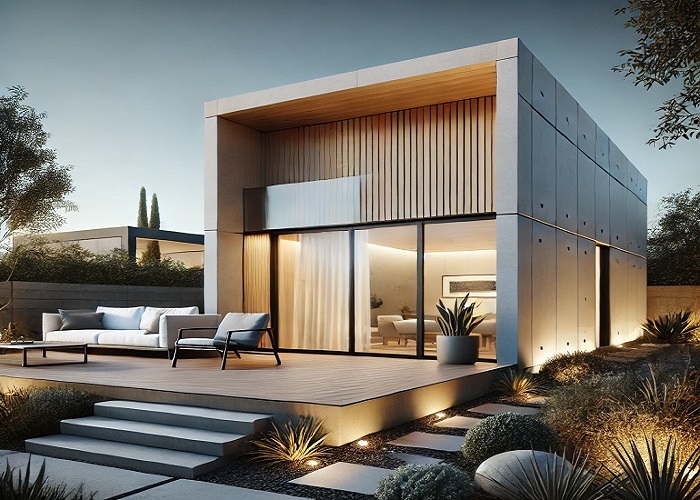
In addition to affordability, ADUs offer a means of keeping families together. Many people prefer to care for aging relatives at home rather than sending them to assisted living facilities. An ADU allows families to provide a private, comfortable space for elderly family members while maintaining proximity for support. Similarly, young adults may choose to live in an ADU while saving for their own home, offering independence without moving far from their family support system.
From a property investment standpoint, ADUs also provide an opportunity for homeowners to increase the value of their property. A well-designed ADU can enhance the appeal of a home and boost its market value, making it an attractive feature for potential buyers. Additionally, homeowners who choose to rent out their ADU can benefit from a steady income stream, helping offset the costs of property taxes, mortgages, or home improvements. With detailed ADU house plans, homeowners can create a space that meets rental market demand, ensuring both functionality and aesthetic appeal.
Design Considerations for ADUs
Designing an ADU involves several important considerations, from layout and size to functionality and aesthetics. Homeowners must balance the need for a compact, efficient space with the desire for comfort and style.
Key design elements to consider include:
1. Size and Layout: Most ADUs range from 300 to 1,200 square feet, depending on local zoning regulations and the homeowner's preferences. The layout of the ADU is crucial in making the most of the limited space. Open floor plans, multifunctional furniture, and creative storage solutions can help maximize space while maintaining a comfortable, livable environment.
2. Privacy: Whether the ADU is for family or renters, privacy is a major consideration. The unit should have its own entrance, and ideally, it should be designed to minimize noise transfer between the ADU and the main house. Strategic landscaping and fencing can also enhance privacy for both the primary residence and the ADU.
3. Sustainability: ADUs are often small, which presents an opportunity to incorporate sustainable design practices. Energy-efficient windows, proper insulation, and solar panels can reduce the environmental footprint of the unit. Using eco-friendly building materials and installing water-saving fixtures are other ways to make an ADU more sustainable.
4. Aesthetics and Integration: An ADU should complement the main house in terms of design and materials, especially if it's located in a visible part of the property. Maintaining consistency in architecture helps the ADU blend seamlessly with the primary residence, enhancing the overall curb appeal.
Legal and Zoning Considerations
Before building an ADU, homeowners must navigate local zoning laws and building codes. These regulations vary widely by location and can significantly impact what is allowed in terms of size, height, and occupancy. Many cities have relaxed their ADU regulations in recent years to encourage more housing options, but some areas still have restrictive rules.
Key factors to consider when researching local ADU regulations include:
Zoning Laws
Most jurisdictions have specific zoning requirements for ADUs, such as lot size, setbacks, and maximum unit size. Some areas may also limit the number of ADUs allowed on a single property.
Parking Requirements
In some areas, building an ADU requires providing additional parking spaces for the unit's occupants. However, many cities have relaxed parking requirements, particularly in urban areas with good public transportation options.
Utility Connections
Connecting the ADU to utilities such as water, electricity, and sewage may require additional permits and can be costly, particularly for detached units. It's essential to factor in these costs when planning the construction of an ADU.
Legislative Support for ADUs in California
In California, ADU housing is seen as a critical component of the state's strategy to alleviate housing shortages. Legislative measures, such as California's Senate Bill 1069 and Assembly Bill 2299, have streamlined the approval process for ADUs, reducing barriers that previously hindered their development. These laws prevent local governments from imposing excessive restriction on ADUs, thereby promoting a more accessible housing market. As a result, many homeowners are increasingly investing in ADU homes for sale as a way to provide affordable housing solutions without the need for large-scale development projects.
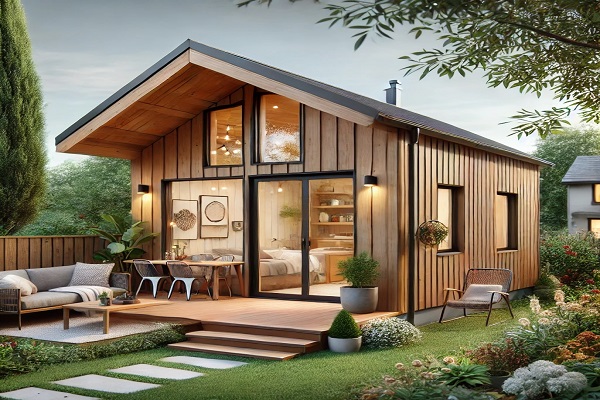
ADU Housing in California
California is at the forefront of the ADU housing movement, especially in cities like Los Angeles, where demand for affordable housing and multi-generational living solutions continues to grow. Whether you're looking to develop ADU homes California to house a family member or seeking ADU homes for sale as an investment, the benefits are clear. Our team of experts is highly familiar with ADU housing in California regulations, ensuring your project complies with local zoning laws and streamlining the permit process.
The ADU house price in California can vary depending on the size, design, and materials used, but investing in an ADU house typically adds long-term value to your property. Additionally, our architects ensure that your ADU housing floor plans are optimized for energy efficiency, helping to minimize long-term utility costs.
Planning for Accessory Dwelling Units (ADUs)
Many communities are exploring ways to expand housing options by allowing Accessory Dwelling Units (ADUs) in single-family neighborhoods. However, some residents may express concerns about the potential impact of ADUs on neighborhood character or infrastructure. Research shows that fears of declining property values or parking shortages are largely unfounded.
In fact, ADUs can increase the supply of affordable housing and contribute economically to communities through construction and property tax revenue. This is particularly relevant in areas like California, where ADU housing in California and ADU housing Los Angeles are becoming popular solutions to housing shortages, with increasing interest in ADU homes for sale.
Before drafting zoning regulations for ADUs, conducting a housing needs assessment can help identify gaps between the current housing supply and future demand, offering insight into the number of ADUs likely to be created. A residential design study can also help address challenges related to integrating ADU small houses into existing neighborhoods, particularly in dense urban areas like Los Angeles, where houses with ADUs for sale are increasingly sought after.
When cities and counties incorporate ADUs into their comprehensive plans, they often include recommendations for updating zoning regulations and providing public information. Some communities also designate specific land-use areas or neighborhood types where ADUs, including ADU homes for sale, are most suitable.