
Accessory Dwelling Units (ADUs) are secondary housing units located on the same property as a primary residence. They can take various forms, including basement apartments, converted garages, detached units in the backyard, or even tiny homes. As housing shortages grow in urban areas, ADUs have gained popularity as a viable solution to increase housing availability without requiring the construction of new buildings. This article will explore the definition, benefits, challenges, design considerations, and the regulatory landscape surrounding ADUs.
What are Accessory Dwelling Units?
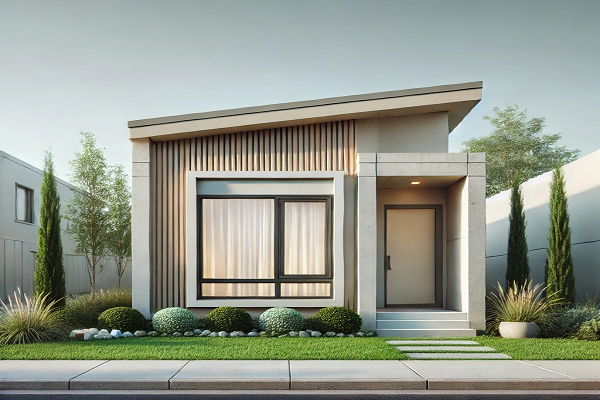
ADUs are often referred to as "granny flats," "in-law suites," or "backyard cottages." They are typically self-contained units with their own kitchen, bathroom, and living space, making them suitable for rental income, housing family members, or providing additional space for homeowners. The main characteristic that defines an ADU is its relationship to the primary dwelling; it must be subordinate in size and function, sharing the property while maintaining its own entrance and amenities.
Benefits of ADUs
Increased Housing Supply:
One of the primary benefits of ADUs is their ability to address housing shortages, especially in urban areas. By utilizing existing residential properties, municipalities can effectively increase the housing supply without expanding urban boundaries or disrupting existing neighborhoods.
Affordability:
ADUs can provide more affordable housing options for renters, particularly in expensive cities where the cost of living is high. They often offer lower rent than traditional apartments, making them accessible to various demographics, including students, young professionals, and low-income families.
Supplemental Income for Homeowners:
Homeowners can benefit financially from renting out their ADUs, providing a source of supplemental income. This income can help cover mortgage payments, property taxes, or maintenance costs, allowing homeowners to remain in their properties longer.
Multigenerational Living:
ADUs are an excellent option for multigenerational families. They allow family members to live close to each other while maintaining privacy and independence. This arrangement can be particularly beneficial for aging parents who may require assistance while still wanting to retain some autonomy.
Sustainable Development:
ADUs promote sustainable development by making use of existing infrastructure, reducing urban sprawl, and minimizing the environmental impact associated with new construction. They encourage efficient land use and can help communities become more walkable and livable.
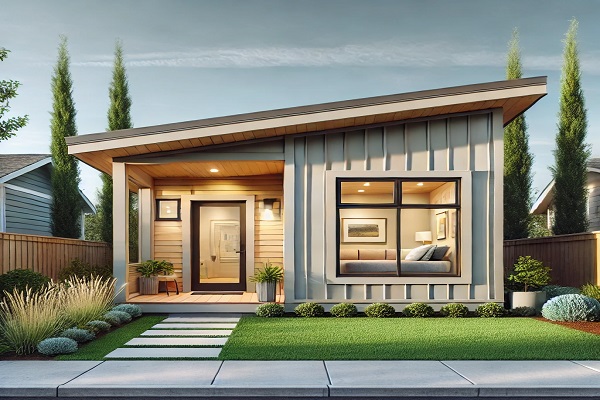
Design Considerations for Accessory Dwelling Units (ADUs)
1. Size and Layout
ADUs should be appropriately sized to accommodate the intended occupants while remaining subordinate to the primary dwelling. A well-thought-out layout can maximize space efficiency, ensuring that essential amenities are accessible without feeling cramped.
2. Accessibility
Incorporating accessibility features can make an ADU suitable for a broader range of residents, including elderly family members or individuals with disabilities. Consider features like wider doorways, ramps, and single-level living spaces.
3. Sustainability
Utilizing sustainable building materials, energy-efficient appliances, and renewable energy sources can reduce the environmental footprint of an ADUs. Incorporating green technologies can also lower utility costs for occupants.
4. Outdoor Space
Creating private outdoor spaces, such as patios or gardens, can enhance the livability of an ADU. Thoughtful landscaping can also improve aesthetics and provide additional enjoyment for residents.
5. Privacy
Ensuring that an ADU maintains privacy for both occupants and neighbors is essential. Strategic placement of windows, entrances, and outdoor spaces can help mitigate any privacy concerns while allowing for natural light and ventilation.
Financing the ADU
Financing an ADU can be another hurdle for homeowners, as building even a small unit can be costly. The total cost of constructing an ADU can vary widely depending on factors such as location, size, materials, and whether the unit is attached or detached. Some homeowners may choose to finance the project through a home equity loan, while others may be able to take advantage of government grants or low-interest loans aimed at promoting affordable housing. Despite the initial cost, many homeowners find that the investment pays off over time through increased property value or rental income. In areas where housing demand is high, an ADU can provide a significant return on investment, making it a financially sound choice for many property owners.
Social and Economic Benefits
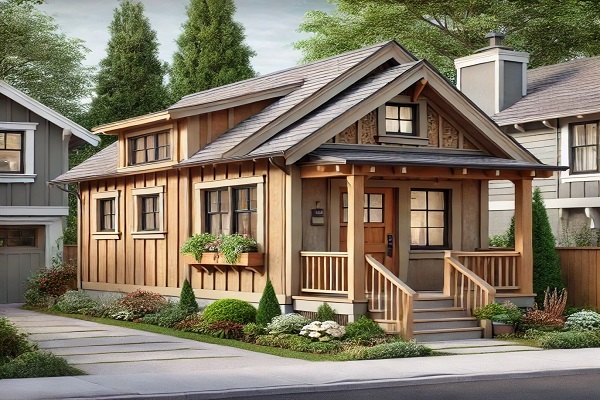
The social and economic benefits of ADUs extend beyond individual homeowners. By increasing the housing supply in established neighborhoods, ADUs can help combat urban sprawl, reduce traffic congestion, and make more efficient use of existing infrastructure. They provide a flexible housing solution that can adapt to changing family needs over time, whether it's housing an elderly relative, providing a starter home for a young adult, or generating rental income. Additionally, ADUs can promote greater community diversity by offering affordable housing options within otherwise expensive neighborhoods, allowing for a mix of incomes and lifestyles.
Challenges and Considerations
Despite their numerous benefits, ADUs face several challenges:
Zoning and Regulation:
Many municipalities have restrictive zoning laws that limit or prohibit the construction of ADUs. Homeowners may face hurdles when attempting to obtain the necessary permits, and navigating the regulatory landscape can be complex. Understanding local zoning codes, building codes, and homeowner association rules is crucial before embarking on an ADU project.
Cost of Construction:
Building an ADU can be costly, depending on the type and design of the unit. While some homeowners may have the means to finance the construction, others may struggle to afford the upfront costs, which can deter them from pursuing this option.
Financing Options:
Securing financing for an ADU can be challenging. Traditional mortgage products may not cover the costs of constructing an ADU, and homeowners may need to explore alternative financing options, such as personal loans or home equity lines of credit.
Impact on Neighborhoods:
Some community members express concerns that the proliferation of ADUs may alter the character of neighborhoods. Issues such as increased traffic, noise, and parking congestion may arise as more residents occupy formerly single-family homes. Engaging with community stakeholders and addressing these concerns is essential for successful integration.
Design and Aesthetics:
Ensuring that an ADU complements the primary dwelling and surrounding homes is vital for maintaining neighborhood aesthetics. Careful attention to design, materials, and landscaping can help integrate the unit into the existing environment while preserving the character of the neighborhood.

Accessory Dwelling Units (ADUs) have emerged as a versatile and increasingly popular housing solution, offering numerous benefits to homeowners and communities. Often designed by adu house builders, these units provide affordable housing options that can alleviate the pressure on the housing market, especially in high-demand areas like adu housing California. By considering various adu house designs and adu house plans, homeowners can create functional spaces that enhance their property's value. The initial adu house price can be offset by potential rental income, making ADUs a financially sound investment. Their adaptability allows for a diverse range of occupants, from young professionals seeking affordable living arrangements to elderly family members needing accessible spaces.
As cities and suburbs continue to face housing shortages, the popularity of adu homes California is rising, reflecting a growing trend towards creating inclusive living environments. The market for adu homes for sale has expanded, providing prospective buyers with various options to suit different budgets and spatial requirements. Designed thoughtfully with considerations for size, accessibility, sustainability, outdoor space, and privacy, ADUs significantly enhance livability and contribute to community development. Their role in providing affordable, flexible housing solutions is vital as we navigate modern housing challenges, making ADUs a key component in addressing the demand for sustainable living options.